
How to Buy Off-Grid Land in Arizona: A Complete Field Guide
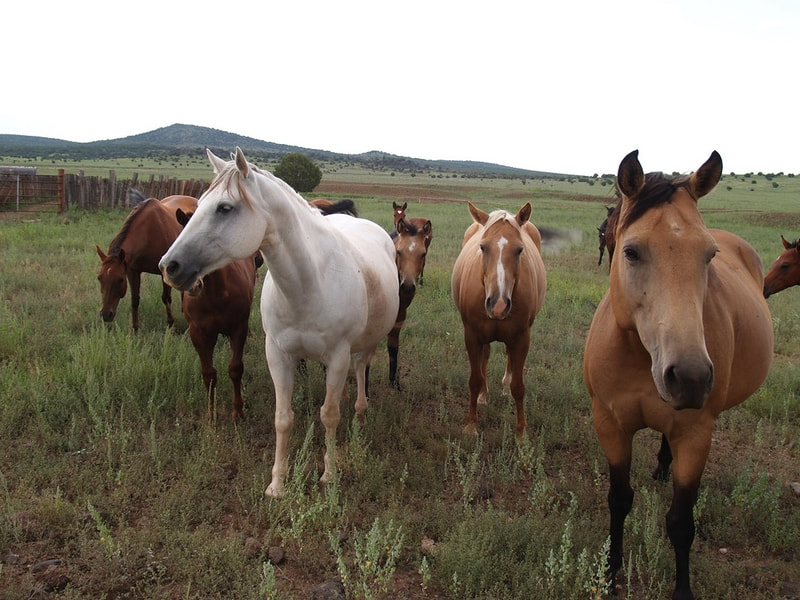
The Reality of Northern Arizona Off-Grid Land Acquisition
Buying raw acreage in the Arizona high desert is the ultimate path to true freedom, privacy, and open space. However, navigating remote land parameters requires a sharp eye. To secure a safe, buildable investment, buyers must look past simple parcel boundaries and evaluate real field data.
1. Deciphering Arizona Road Access Classifications
Not all dirt roads are created equal. When analyzing remote tracts in regions like Westwood Ranch or Coconino County, understanding road maintenance models is essential:
- County Maintained Roads: Regularly graded, passable by most standard vehicles year-round.
- Unmaintained Public Easements: Open legal access, but highly subject to seasonal trail washouts, deep rutting, and high-clearance truck requirements.
- Private Corporate Infrastructure: Shared access networks managed by local property associations or land syndicates.
2. Water Capabilities: Hauling vs. Deep Wells
Prone to water limitations, Northern Arizona requires proactive resource planning. Most successful off-grid homestead layouts rely on water hauling setups, utilizing high-capacity utility trailers to transport water from regional municipal fill stations straight to private storage tank frameworks. Drill depth estimates for deep wells in these high belts frequently exceed 1,000+ feet, making haul setups the most economical option for starting a cabin footprint.
3. County Zoning Frameworks & Structural Rules
Before establishing a campfire or setting up temporary campsite footprints, cross-reference regional county building rules. While counties like Apache, Navajo, and Coconino offer exceptional flexibility for alternative structures, solar capabilities, and solar siting layouts, they maintain rigid regulations regarding long-term camp footprints and structural allowances.
Ready to look at verified acreage plots? Contact James Gardner at Home on the Range Properties to map out your specific spatial criteria.